
Theoretical Foundations and the Concept of Bullying in Preschool Organizations

In recent years, the problem of bullying has become particularly relevant in the education system, including at the level of preschool upbringing and education. Manifestations of bullying in preschool groups are often less pronounced and less systematic than at school, but their impact on a child's emotional well-being and social development is significant. Early experiences of aggression, rejection, or social isolation can reinforce persistent negative patterns of interpersonal interaction. Therefore, it is necessary to theoretically conceptualize the phenomenon of bullying as it applies to preschool age.
The concept of "bullying" is borrowed from the English language and denotes aggressive, intentional, and repeated behavior aimed at causing harm to one or more members of a social group. In pedagogical and psychological literature, bullying is viewed as a form of interpersonal aggression characterized by systematicity, an imbalance of power among participants, and a persistent focus on humiliating, intimidating, or dominating the victim. According to the WHO definition, bullying is the undesirable aggressive behavior of one child or a group of children toward another.
The theoretical understanding of the problem relies on the works of domestic and foreign researchers of children's conflicts and aggressive behavior. The works of L.S. Vygotsky, D.B. Elkonin, and A.V. Zaporozhets emphasize the importance of preschool age as a sensitive period for the formation of social skills and emotional regulation. Studies by
Kazakhstani scholars confirm the importance of preventive work in preschool organizations:
Z.T. Suleimenova, M.P. Assykbekova, and P.B. Seitkazy identified the high effectiveness of socio-psychological trainings that reduce conflict and foster a safe psychological climate;
Alimbekova A. and colleagues note that emotional instability, low communicative competence, and high anxiety increase the risk of children's involvement both as victims and as aggressors;
Yrymbaeva N.A., Albytova N.P., Slambekova T.S., and others study the types of school bullying and propose strategies for working with teachers and parents to create a safe educational environment.
Forms of Bullying and the Specifics of Preschool Age
Aggressive actions can be physical, psychological, or social and can occur both in the educational and digital environment.
Key signs:
repetition of aggressive actions;
asymmetry of power and resources among participants;
the purposeful nature of the aggressor's behavior.
These signs allow bullying to be distinguished from single conflicts typical of childhood.
Forms of bullying: physical, verbal, social, property-related, and cyberbullying. In preschool organizations, cyberbullying practically does not occur, while the other forms of aggression may be quite widespread.
Mechanism. Bullying is generally based on the aggressive behavior of a child-initiator, which is realized in socially unacceptable forms and directed at a more vulnerable peer. The choice of "victim" is determined not only by physical weakness but also by behavioral characteristics, emotional reactivity, or difficulties in social adaptation. Aggression in childhood has different natures and forms of manifestation depending on the stage of development, so bullying in preschool organizations has its own specifics.
How the forms manifest in preschool age:
Physical form — direct impact on the child, more often observed in early preschool age.
Verbal form — hurtful statements, nicknames, and mockery; requires more developed speech and social skills.
Social isolation — excluding a child from joint activities and communication; it strongly worsens the child's emotional state and sense of belonging to the group.

Prevention: The Role of Teachers and Family
Bullying is a complex socio-psychological phenomenon that manifests already in preschool childhood. Even with less pronounced systematicity than at school, aggressive and exclusionary forms of interaction negatively affect a child's emotional well-being and social development. It is in preschool age that the model of interpersonal interaction is formed, which is why the creation of an anti-bullying environment is so important.
Comprehensive preventive programs that develop children's social-emotional competencies, the professional potential of teachers, and family involvement create the conditions for an emotionally safe educational space and sustainable personal development of the child at the early stages of socialization.
The effectiveness of prevention is largely determined by the professional competence of teachers. This means that they must:
identify the risks of conflict behavior in a timely manner;
use non-violent methods of pedagogical influence;
build partnership interaction with the family.
The main anti-bullying measures in kindergarten can be divided into several key areas:
Developing empathy and emotional intelligence: teaching children to recognize their own feelings and the emotions of their peers, to empathize, and to understand the consequences of their actions.
Teaching constructive communication skills: games and activities that teach children to negotiate, share, and resolve disputes with words rather than aggression.
Creating an inclusive atmosphere: fostering respect for each child's individual characteristics (speech pace, appearance, temperament), and preventing labels and mockery.
Involving parents in preventive work makes educational influences consistent and reduces the likelihood that a child will reproduce aggressive behavior patterns learned in the family. Interaction with parents in a preschool institution takes the form of educational work: holding consultations and parent meetings about the nature of childhood aggression, the risks of bullying, and the importance of emotional well-being. It is important that the same values (the unacceptability of fighting, respect for personal boundaries) are conveyed both at home and in kindergarten. If a child displays aggression at home, parents need to address this together with the kindergarten's psychological service.
Protecting Children from Bullying
The Law of the Republic of Kazakhstan "On the Rights of the Child" guarantees every child the right to safety, protection from violence and discrimination, and development in a safe social environment. The 2022 amendments established the concept of bullying as systematic humiliating actions, including intimidation and coercion.
The Rules for the Prevention of Child Bullying, approved by order of the Minister of Education of the Republic of Kazakhstan, define the procedures for identifying, responding to, and preventing cases of bullying with the participation of teachers, parents, and specialists.
The State Compulsory Standards of Preschool Upbringing and Education orient the process toward the development of social-emotional competencies, self-regulation skills, and constructive interaction.
The "Model for the Development of Preschool Upbringing and Education" and the "Comprehensive Plan for the Protection of Children from Violence and Bullying for 2023–2025" establish a systematic approach to creating a safe educational environment.
It is important to remember that administrative liability is provided for bullying and cyberbullying of minors.
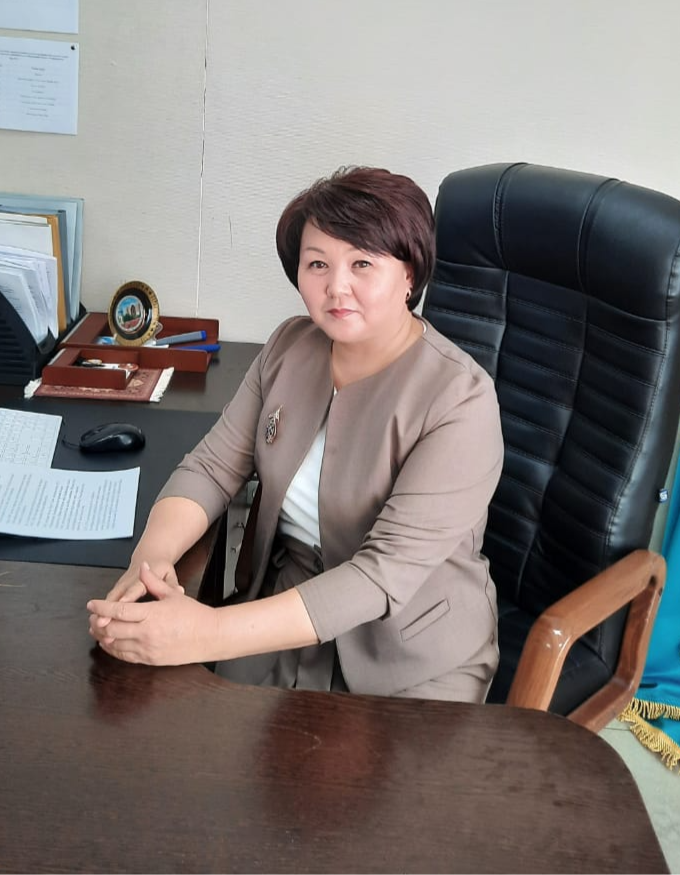
Gulmira ABENOVA
Sanatorium Nursery-Kindergarten No. 46 "Samal"
Astana
АННОТАЦИЯ
Мақалада мектепке дейінгі ұйымдар контексіндегі буллинг түсінігінің теориялық негіздері ашылады. Буллингті анықтаудағы негізгі ғылыми тәсілдер, оның басты белгілері мен көрініс табу формалары мектепке дейінгі жастағы балалардың жас ерекшеліктері ескеріле отырып қарастырылады.
Comments