
Pedagogical Practice of Implementing Artificial Intelligence Technologies

The current stage of development of the education system is inextricably linked with the processes of digital transformation covering all levels of learning. In the context of the rapid development of information technologies, the introduction of artificial intelligence tools into pedagogical practice acquires particular relevance, which opens up new opportunities for improving the quality of education, individualizing learning and forming in students the key competencies of the 21st century.

In the 2025–2026 academic year, Secondary General Education School No. 20 named after Shaken Aimanov in the city of Astana is carrying out systematic work on modernizing the educational process, developing the digital educational environment and effectively using artificial intelligence technologies. This activity is carried out in accordance with the state policy of the Republic of Kazakhstan in the field of education, the instructions of the Head of State on digital transformation, the initiatives of the Ministry of Education on introducing elements of artificial intelligence into the education system, as well as the school's development program and the work plan for the 2025–2026 academic year.

The teaching staff is gradually introducing modern digital technologies and artificial intelligence tools into the educational process. Today, AI technologies are used for lesson planning, developing differentiated assignments in accordance with curricula, preparing formative assessment materials, creating visual learning resources and analyzing academic achievements. Teachers use platforms such as ChatGPT, Microsoft Copilot, Canva, Google Classroom, Google Forms, Quizizz, Kahoot!, Wordwall, LearningApps, BilimLand and OnlineMektep. These resources make it possible to improve the quality of educational materials, update the content of lessons, enhance the learning activity of schoolchildren and individualize learning: teachers develop assignments of various levels, adapt materials to the level of students' knowledge, and apply new approaches to organizing creative and research work.

One of the main directions of the school's methodological work is improving the digital competence of teachers. During the academic year, in-school seminars, coaching sessions, practical trainings, master classes and experience-exchange platforms were held on the topics "Using the capabilities of artificial intelligence in the educational process," "Developing digital educational resources" and "Effective application of generative artificial intelligence tools in the lesson." During these events, teachers mastered effective methods of introducing innovative technologies into the educational process.

Artificial intelligence technologies are also widely used in the learning activities of schoolchildren themselves: when carrying out project and research work, searching for and analyzing information, developing presentations, completing creative assignments and creating digital products. In parallel with the students, systematic explanatory work is conducted on the safe and responsible use of AI, compliance with the principles of academic honesty and the requirements of information security, which contributes to the formation of their digital culture and information literacy.
The result of this work has been the expansion of the capabilities of the school's digital educational environment and the growth of teachers' information and communication competence. The share of digital educational resources used in lessons has increased, which has a positive effect on learning motivation, cognitive activity and students' research skills. The possibility of applying differentiated approaches has grown, the quality and effectiveness of teachers' preparation for lessons have improved, and the use of innovative technologies has ensured the accessibility of educational material and consideration of the individual learning needs of students.

In the future, the school will continue its work on the digitalization of the educational process: integrating artificial intelligence technologies into the content of academic subjects, improving the professional competence of teachers and developing the digital educational environment. The school staff will on an ongoing basis ensure quality education through the systematic introduction of innovative technologies and the development of functional literacy, digital competence and the creative potential of students.
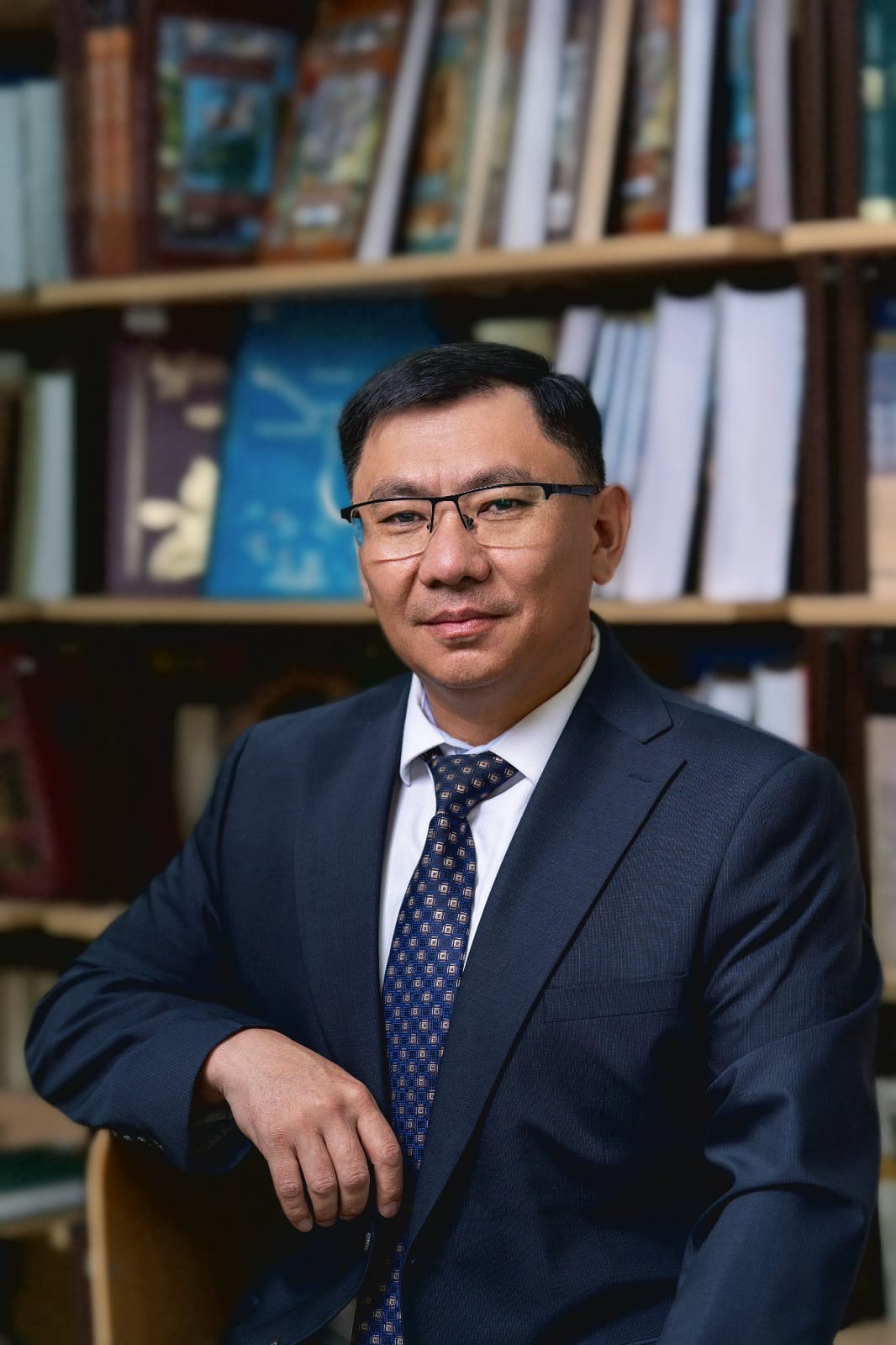
BIMENDIN B.D.,
Director of Secondary School No. 20 named after Sh. Aimanov, Astana
Academician of the Academy of History and Social Sciences
АННОТАЦИЯ
Мақала Астана қаласының Шәкен Айманов атындағы №20 жалпы орта білім беретін мектебі мысалында білім беру процесіне жасанды интеллект технологияларын енгізудің педагогикалық тәжірибесін қорытындылауға арналған. Материалда мектептің жүйелі жұмысының негізгі бағыттары ашылады: білім беру процесін жаңғырту, цифрлық білім беру ортасын дамыту, педагогтердің цифрлық құзыреттілігін арттыру, сондай-ақ сабақта және сабақтан тыс қызметте заманауи цифрлық платформалар мен жасанды интеллект құралдарын пайдалану.
Comments